
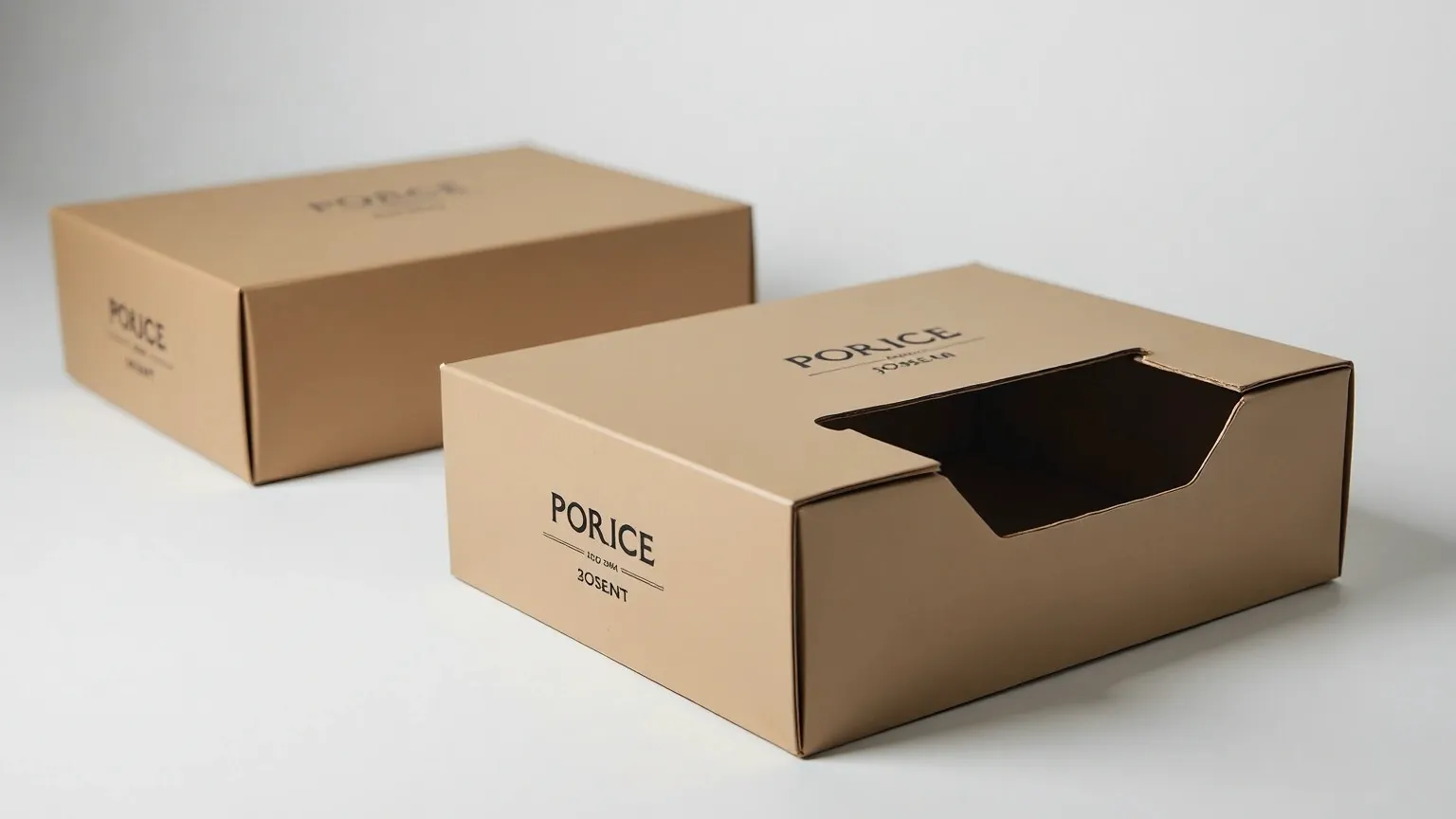
For a startup founder, breaking into a competitive market requires more than just an excellent product. When your item is sitting on a crowded retail shelf or arriving on a customer’s doorstep, the packaging is the very first physical interaction they have with your business.
Upgrading a standard paperboard box into a luxury folding carton is not merely an aesthetic choice; it is an exercise in consumer psychology. By applying specific manufacturing techniques known as “finishes,” you fundamentally change how your box reflects light and how it feels in the human hand. Here is an easy-to-understand breakdown of the science behind custom finishes and how they elevate your brand image.
What Makes a Luxury Folding Carton Stand Out on the Shelf?
The human eye and hand are naturally trained to recognize quality through contrast and texture. A standard printed box relies entirely on flat ink. A luxury box, however, utilizes post-printing machinery to add physical depth, distinct textures, and metallic shines. These finishes disrupt the visual noise of a retail shelf, immediately capturing the buyer’s attention and signaling that the item inside is of premium quality.
How Does Soft-Touch Lamination Transform Custom Folding Boxes?
Before any shiny elements are added, the base texture of the box sets the stage. Lamination involves applying an ultra-thin film over the printed paperboard to protect the ink.
While standard glossy or matte laminations are common, soft-touch lamination is a scientific marvel for custom folding boxes. This specialized film has a microscopic texture that feels exactly like soft velvet, suede, or smooth rubber. When a customer picks up the box, the unexpected tactile softness triggers a psychological response. The brain inherently associates this heavy, muted, and soft texture with luxury, comfort, and high expense, making the customer want to hold the box longer.
Why Is Foil Stamping Crucial for Customized Retail Packaging?
Ink cannot truly replicate the gleam of metal. If you want a logo or text to shine, the manufacturing process requires foil stamping.
This process uses a custom-made, heated metal die to press a microscopic layer of metallic film directly onto the paperboard. Whether you choose classic gold, bright silver, warm copper, or a modern color-shifting holographic foil, the result is a mirror-like reflectivity. From a popular science perspective, humans are evolutionary wired to be drawn to shiny, reflective surfaces (originally an instinct for finding water). In modern customized retail packaging, that shine mimics the look of precious metals, instantly communicating prestige and high value.
How Do Tactile Finishes Influence the Customer Experience?
Vision is only one half of the packaging equation. The science of “haptics”—how we perceive the world through touch—shows that engaging multiple senses drastically increases brand recall. When a customer can physically feel your logo, the memory of your brand becomes stronger.
What Are the Benefits of Embossing and Debossing?
Embossing and debossing are mechanical processes that physically alter the shape of the cardboard.
- Embossing uses metal plates to push a specific design upward from underneath the paperboard, creating a raised 3D surface.
- Debossing pushes the design downward from the top, creating a sunken indentation.
These techniques can be applied directly over printed ink or foil. However, a popular minimalist trend is “blind embossing,” where the paper is pressed without any ink at all. This creates a subtle, sophisticated shadow-and-highlight effect created purely by the altered structure of the paper, giving the box an artisanal, architectural feel.
How Does Spot UV Coating Create High-Contrast Visuals?
Spot UV (Ultraviolet) coating is a liquid polymer applied to specific “spots” on the box, which is then instantly cured and hardened using UV light.
This creates a raised, clear, and incredibly glossy layer over specific elements, such as a logo or a repeating background pattern. The scientific trick to Spot UV is contrast. It is almost always paired with a matte or soft-touch background. The intense contrast between the flat, soft paper and the hard, wet-looking, highly reflective UV coating creates a striking, modern visual effect that pops off the shelf.
What Is the ROI of Upgrading Your Customized Retail Packaging?
For a startup, adding foil, custom dies, and special laminations will increase the manufacturing cost per unit. This naturally leads to questions about the Return on Investment (ROI).
Why spend the extra pennies per box? Because consumer behavior studies consistently prove that premium packaging directly increases the perceived value of the product. If a customer holds a box that feels like velvet and shines with heavy gold foil, their brain automatically assumes that the skincare serum, candle, or electronic device inside is vastly superior to a competitor’s product housed in a plain, flimsy box.
This psychological elevation allows startup brands to confidently charge a premium retail price. The slight increase in packaging production costs is heavily outweighed by the higher profit margins and brand loyalty generated by a superior unboxing experience.
Summary
Custom finishes are a powerful, science-backed tool for startups looking to improve their market positioning. By strategically combining tactile elements like soft-touch lamination and embossing with visual elements like foil stamping and Spot UV, you transform a simple paperboard container into a highly effective brand ambassador.


